The American maritime industry is the backbone of our nation’s supply chain, a silent engine that keeps commerce moving across our vast network of rivers and coastal waters. At the heart of this engine is the Jones Act—a century-old pillar of national security and economic stability. However, recent headlines regarding the Trump Administration’s announcement of a 60-day waiver of the Jones Act have sent ripples through the industry, sparking a vital conversation about why this law matters now more than ever.
What is the Jones Act?
Formally known as the Merchant Marine Act of 1920, the Jones Act requires that all goods transported by water between U.S. ports be carried on ships that are:
- Built in the United States.
- Owned by U.S. citizens.
- Crewed by U.S. citizens or permanent residents.
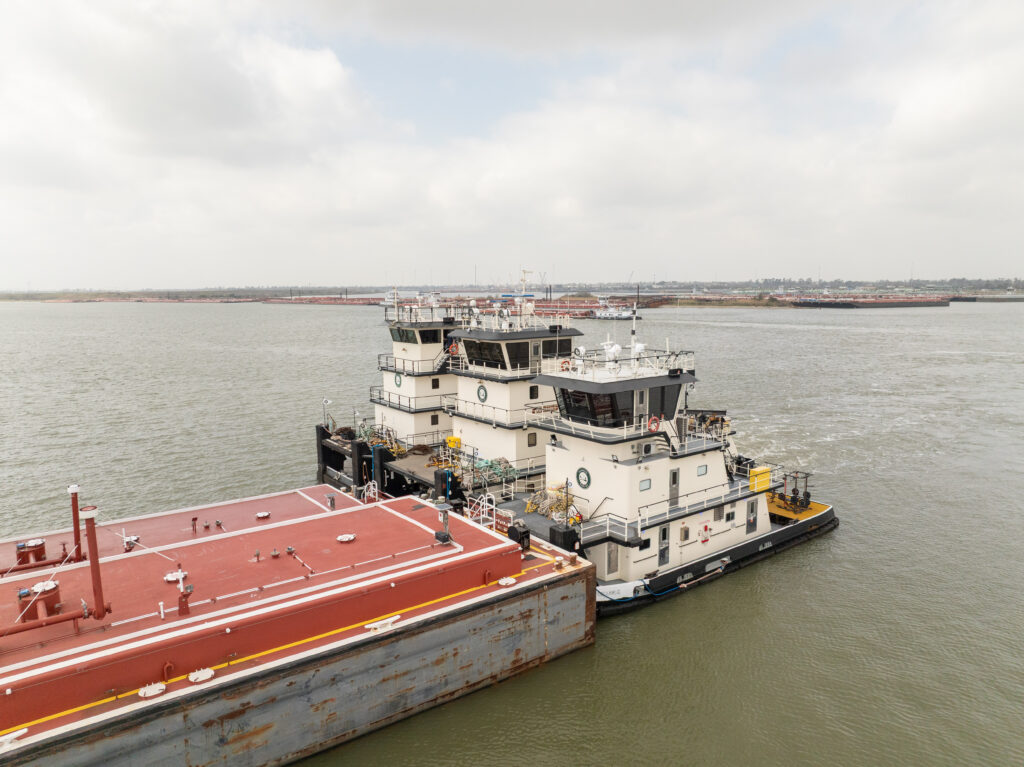
For companies like Magnolia Fleet, this isn’t just a regulatory checkbox; it is the framework that allows us to invest in American equipment and, most importantly, American mariners.
Why the Recent Waiver Matters
The decision to issue a 60-day waiver is a significant move that bypasses these long-standing protections. While waivers are often framed as temporary measures to address immediate supply chain bottlenecks or fuel price spikes, the reality is more complex.
As noted by the American Waterways Operators (AWO), the Jones Act is fundamental to supply chain reliability. Opening our inland and coastal waterways to foreign-flagged vessels—which do not operate under the same rigorous U.S. safety, labor, and environmental standards—introduces a level of price volatility and operational instability that can hurt domestic markets.
The Impact on the Maritime Industry
When the Jones Act is waived, the ripple effects are felt across the entire maritime ecosystem:
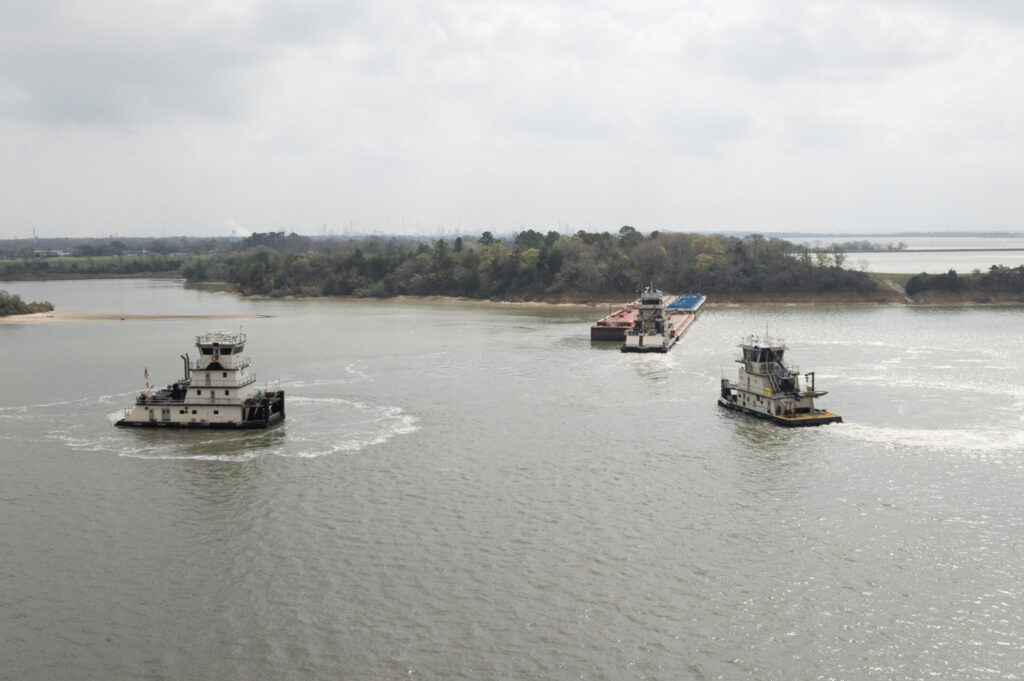
- Economic Displacement: American vessel operators have invested billions in fleets designed to serve the U.S. market. Allowing foreign vessels to enter these routes creates an uneven playing field where domestic companies, who pay U.S. taxes and follow U.S. labor laws, must compete with foreign entities that do not.
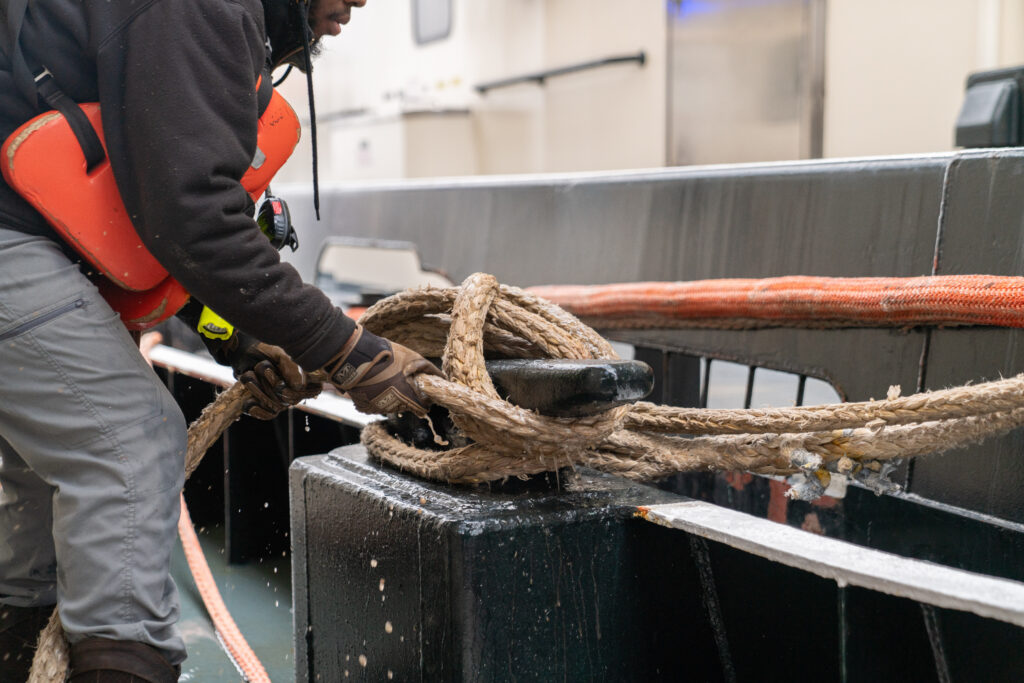
- Labor and Expertise: The domestic maritime industry supports hundreds of thousands of jobs. Our mariners are the “eyes and ears” of our waterways. A waiver threatens the job security of these skilled professionals and discourages new talent from entering a field that feels increasingly volatile.
- Safety and Oversight: U.S. vessels are subject to strict Coast Guard oversight. Foreign vessels operating under a waiver may not meet these same exacting standards, potentially increasing risks to our environment and infrastructure.
What is at Stake?
The stakes extend far beyond the balance sheets of shipping companies; they reach into the core of National Security.
A strong domestic fleet ensures that the United States maintains a robust sealift capability and a pool of trained mariners available during times of war or national emergency. Relying on foreign-flagged vessels for internal commerce creates a strategic vulnerability. If we lose the capacity to move our own goods on our own waters, we lose a critical layer of sovereignty.
Furthermore, as the AWO statement highlights, waiving the act often has no appreciable effect on the price of gasoline or other consumer goods. Instead, it serves to undermine a thriving domestic supply chain while providing a temporary “fix” that creates long-term uncertainty.

Looking Ahead
At Magnolia Fleet, we believe in the strength of the American mariner and the necessity of a stable, protected maritime industry. While we navigate the challenges presented by this 60-day waiver, our commitment remains the same: providing safe, reliable, and American-made service to our partners and our community.
The Jones Act isn’t just a relic of the past; it is the safeguard of our maritime future. Protecting it means protecting American jobs, American security, and the very waterways that connect us all.